
zhscandy984384
About zhscandy984384
What Makes Broker That Totally different
The real estate market does not move in one direction nationwide. It never has. What is happening in Austin is not what is happening in Cleveland. What is true for a three-bedroom in the suburbs of Dallas has almost nothing to do with a two-bedroom in San Francisco. Before you do anything else, narrow your focus to the specific market you are shopping in and stop reading national headlines as if they apply to you personally.
 In markets where developers managed to bring inventory to market faster than demand absorbed it, prices have pulled back. Markets that overheated fastest have cooled most noticeably. But those are the exceptions. Most markets are not working from excess; they are working from scarcity.
Here is what that creates for someone who is financially prepared and ready to move: a better chance of getting the house you want without losing a bidding war. The panic buyers are gone. The buyers who showed up with desperation instead of preparation have mostly sat back down. What remains is a more functional market, even if it is not a cheap one.
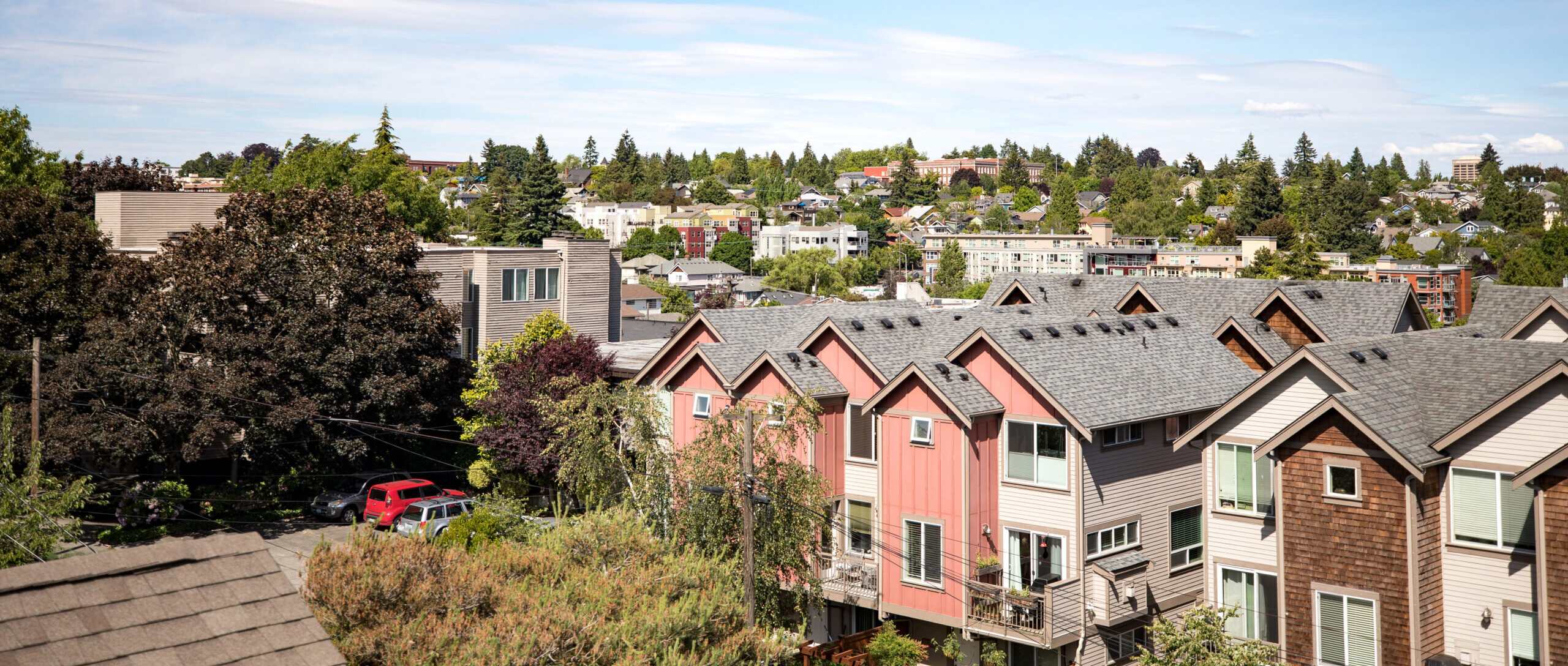 Before you look at a single listing, get your pre-approval locked down. Not a rough estimate. Not a verbal confirmation from a loan officer you met once. A full pre-approval based on verified income, tax returns, bank statements, and a hard credit pull. In this market, a seller who receives an offer without that documentation will not take it seriously.
 If the report surfaces significant deferred maintenance or structural issues, you have real choices, and walking away is a legitimate one of them. You can walk away if the scope of the problems makes the agreed price no longer reasonable. Signing off on a failing roof or a bad HVAC system is not the same house you made an offer on.
 Price matters, but terms matter too. The buyer who calls the listing agent before submitting, asks what matters to the seller, and builds the offer around that information wins more often than the buyer who simply goes the highest.
 Real estate is illiquid. Transaction costs, agent commissions, and closing fees mean you typically need three to five years just to break even on a purchase. None of that means do not buy. It means be honest about your time horizon before you commit.
The buyers who come out ahead in this market are not the ones who waited for perfect conditions. They are the ones who understood what they could afford and moved with confidence. If you are ready to take that step, real estate listings and buyer tools are a practical starting point.
No listing found.