
vernitahely78
About vernitahely78
What The In-Crowd Won’t Tell You About Realestate
There is a version of the housing market story that gets told over and over, and it goes like this: prices are high, rates are high, nothing is affordable, and the only people buying are the ones with cash. That version is not wrong, exactly. It is just incomplete.
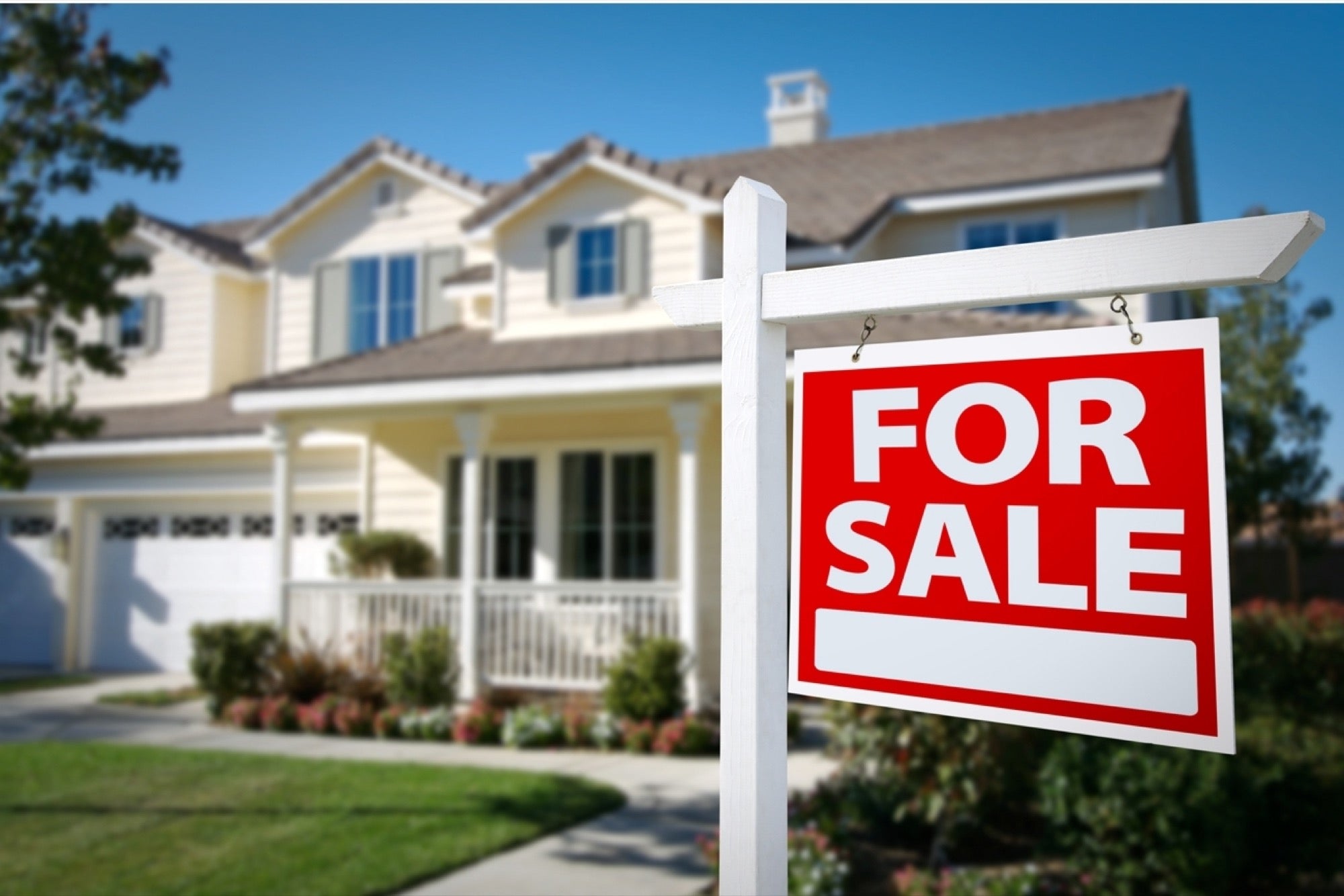 Home prices at the national level have held close to their peaks despite a sharp rise in mortgage rates. The reason is supply. Homeowners who locked in three percent mortgages in 2020 and 2021 have almost no incentive to sell, which means the correction that many analysts were expecting simply did not materialize the way the data suggested it should.
Affordability, by the standard measure of what share of median household income goes toward the monthly payment on a median-priced home, is near its worst level since the early 1980s. That is a real problem, and it is not going away quickly. That measure being at a historical extreme does not automatically produce a correction. What it means, practically, is that the buyer who can close confidently has more leverage than the headline numbers suggest.
Shop multiple loan officers to compare rates and fees. A 0.25 percent gap between two lenders’ quotes adds up to around twenty thousand dollars over a thirty-year loan on a four hundred thousand dollar mortgage. Lender fees vary too. Do not compare rate quotes without also comparing origination fees, points, and closing costs.
 If the report surfaces significant deferred maintenance or structural issues, you have three options, not one, and walking away is a legitimate one of them. You can ask the seller to repair specific items before closing. What you should not do is panic and waive your right to negotiate.
The offer price is one variable among several. A longer closing window, a shorter inspection period, a larger earnest money deposit, or willingness to do a rent-back period can all tip a deal in your favor without you spending an extra dollar on the purchase price.
Real estate is illiquid. Transaction costs, agent commissions, and closing fees mean you typically need three to five years just to break even on a purchase. None of that means do not buy. It means be honest about your time horizon before you commit.
Real estate rewards preparation more than it rewards timing. The market does not wait for the ideal moment, and neither should buyers who have done the work. A look at real estate listings and pricing data in your target area costs nothing and tells you a great deal.
No listing found.