
tillynussbaum1
About tillynussbaum1
How you can Win Pals And Influence Folks with Valuation
 The real estate market does not move in one direction nationwide. It never has. What is happening in Austin is not what is happening in Cleveland. What is true for a three-bedroom in the suburbs of Dallas has almost nothing to do with a two-bedroom in San Francisco. Before you do anything else, narrow your focus to the specific market you are shopping in and stop reading national headlines as if they apply to you personally.
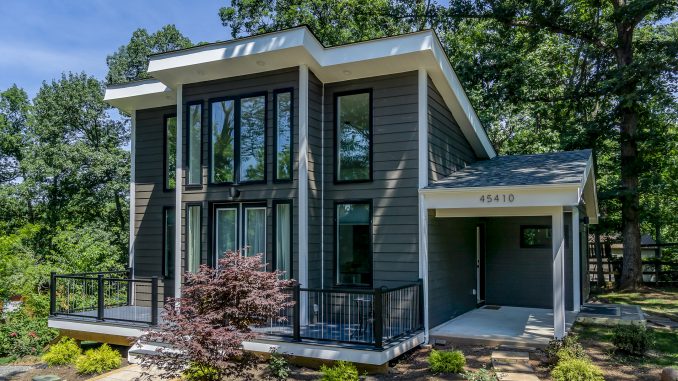 In markets where developers managed to bring inventory to market faster than demand absorbed it, prices have pulled back. Phoenix, Austin, and parts of Florida saw corrections of ten to fifteen percent from peak levels in some submarkets. But those are the exceptions. Most markets are not working from excess; they are working from scarcity.
Here is what that creates for someone who has done the work before they start looking: more room to negotiate than the market’s reputation suggests. The panic buyers are gone. The buyers who showed up with emotion instead of analysis have mostly sat back down. What remains is a more functional market, even if it is not a cheap one.
 Shop more than one institution, because the spread in rates and costs is real. A seemingly small rate difference adds up to real money that most buyers leave on the table by taking the first offer they receive. Lender fees vary too. Request itemized fee schedules so you can compare apples to apples.
The appraisal is the lender’s check, not yours. A low appraisal means the buyer has to make up the gap in cash, renegotiate, or cancel. Ask your agent how common appraisal gaps have been in your target price range and neighborhood.
 Negotiation works best when it is quiet and well-prepared. Before you make an offer, find out whether the price has been reduced and by how much. A listing with a history of two failed deals in the past month is a fundamentally different negotiation than a fresh listing in a neighborhood where homes sell in under a week.
Real estate is illiquid. Transaction costs, agent commissions, and closing fees mean you typically need three to five years just to break even on a purchase. None of that means do not buy. It means be honest about your time horizon before you commit.
 Real estate rewards preparation more than it rewards timing. Nobody consistently calls the top or the bottom of a market, but buyers who show up informed and financially ready close deals in every cycle. Start by browsing current homes for sale and market resources to build a realistic picture of your options.
No listing found.