
byronfalk96086
About byronfalk96086
Understanding ED Pills: An In-Depth Study on Effective Treatments for Erectile Dysfunction
Erectile dysfunction (ED) is a common condition that affects millions of men worldwide, characterized by the inability to achieve or maintain an erection sufficient for satisfactory sexual performance. While the psychological and physical causes of ED can vary widely, treatment options have evolved significantly over the years. Among these options, erectile dysfunction pills, commonly referred to as ED pills, have gained prominence due to their effectiveness and ease of use. This study report aims to provide a comprehensive overview of ED pills, their mechanisms, types, effectiveness, side effects, and considerations for use.
Understanding Erectile Dysfunction
Erectile dysfunction can result from a variety of factors, including age, medical conditions (such as diabetes and cardiovascular diseases), psychological issues (like anxiety and depression), and lifestyle choices (such as smoking and alcohol consumption). The condition can have a profound impact on a man’s quality of life and relationships, making effective treatment essential.
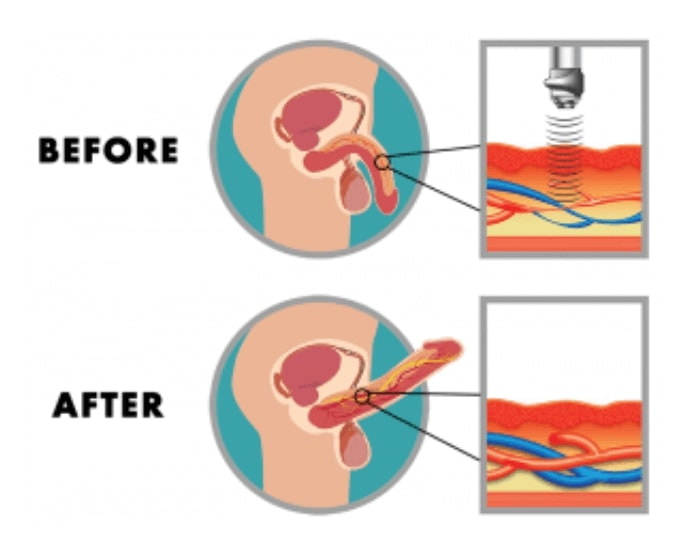
Mechanism of Action
ED pills primarily work by enhancing blood flow to the penis, which is crucial for achieving an erection. Most ED medications target a specific enzyme called phosphodiesterase type 5 (PDE5). By inhibiting this enzyme, these medications help to relax the blood vessels in the penis, allowing for increased blood flow during sexual arousal. This mechanism is essential for the physiological process of erection, which requires both psychological and physical stimulation.
Types of ED Pills
There are several types of ED pills available on the market, each with its own unique formulation and characteristics. The most commonly prescribed ED medications include:
- Sildenafil (Viagra): Approved by the FDA in 1998, Viagra is one of the most recognized ED treatments. It typically begins to work within 30 to 60 minutes and lasts for about four to five hours. It should be taken on an empty stomach for optimal effectiveness.
- Tadalafil (Cialis): Known for its longer duration of action, Cialis can last up to 36 hours, earning it the nickname ”the weekend pill.” It can be taken daily or as needed, making it a versatile option for many men.
- Vardenafil (Levitra): Similar to Viagra in terms of onset and duration, Levitra is effective for about four to five hours. If you have any queries relating to where and how to use erectiledysfunctiontreatments.online, you can make contact with us at the internet site. It can be taken with or without food, but high-fat meals may delay its onset.
- Avanafil (Stendra): A newer addition to the ED medication landscape, Stendra works quickly, usually within 15 to 30 minutes, and has a duration of about six hours. It is less affected by food intake compared to other ED medications.
- Alprostadil (Caverject, Edex, MUSE): Unlike the other oral medications, alprostadil can be injected directly into the penis or inserted as a suppository into the urethra. It works by directly increasing blood flow and can produce an erection within minutes.
Effectiveness of ED Pills
Clinical studies have shown that ED pills are effective for a significant portion of men with erectile dysfunction. According to research, approximately 70-80% of men respond positively to PDE5 inhibitors. However, individual responses may vary based on the underlying cause of ED, overall health, and adherence to prescribed dosages. Factors such as psychological support, lifestyle changes, and addressing underlying health issues can also enhance the effectiveness of these medications.
Side Effects
While ED pills are generally considered safe, they can cause side effects in some individuals. Common side effects include:
- Headaches
- Flushing
- Nasal congestion
- Indigestion
- Dizziness
In rare cases, more severe side effects can occur, such as priapism (a prolonged and painful erection), sudden vision loss, or hearing impairment. Men with certain medical conditions, particularly those who take nitrates for heart conditions, should avoid using PDE5 inhibitors due to the risk of severe hypotension (low blood pressure). It is crucial for men considering ED pills to consult with a healthcare provider to discuss their medical history and any potential risks.
Considerations for Use
When considering the use of ED pills, several factors should be taken into account:
- Consultation with a Healthcare Provider: A thorough evaluation by a healthcare professional is essential to determine the underlying cause of ED and to identify the most appropriate treatment options. This evaluation may include physical examinations, blood tests, and other diagnostic procedures.
- Lifestyle Modifications: Many men can benefit from lifestyle changes that improve their overall health. These may include regular exercise, a balanced diet, quitting smoking, and reducing alcohol consumption. Such changes can enhance the effectiveness of ED medications and improve sexual health.
- Psychological Support: For men whose ED is primarily psychological, counseling or therapy may be beneficial. Addressing anxiety, depression, or relationship issues can lead to improved sexual function.
- Monitoring and Follow-Up: Regular follow-up with a healthcare provider is important to monitor the effectiveness of the treatment and make any necessary adjustments. If a particular medication is not effective or causes unacceptable side effects, alternatives can be explored.
- Understanding Limitations: While ED pills can be highly effective, they are not a cure for erectile dysfunction. Men should be aware that these medications do not increase sexual desire and require sexual stimulation to work.
Conclusion
Erectile dysfunction is a complex condition that can significantly impact a man’s quality of life. ED pills have emerged as a popular and effective treatment option for many men, providing a non-invasive solution to enhance sexual function. With various types of medications available, it is essential for individuals to work closely with healthcare providers to determine the most suitable option based on their specific circumstances. By combining medication with lifestyle changes and psychological support, many men can regain confidence and improve their sexual health, ultimately leading to a better quality of life. As research continues to advance, the future may hold even more effective treatments for erectile dysfunction, allowing men to reclaim their sexual vitality.

No listing found.