
aidenmoll20784
About aidenmoll20784
How To Learn Buyer
 There is a version of the housing market story that gets told over and over, and it goes like this: prices are high, rates are high, nothing is affordable, and the only people buying are the ones with cash. That version is not wrong, exactly. It is just incomplete.
 Home prices at the national level have stayed stubbornly high even as financing costs doubled in under two years. The reason is supply. The locked-in effect has kept available inventory at historically low levels in most markets, which means the correction that many analysts were expecting simply did not materialize the way the data suggested it should.
 Affordability, by the standard measure of what share of median household income goes toward the monthly payment on a median-priced home, is near its worst level since the early 1980s. That is a real problem, and it is not going away quickly. A market can stay unaffordable for longer than most buyers expect to wait. What it means, practically, is that the buyer who can close confidently has more leverage than the headline numbers suggest.
 Your credit score affects your rate more directly than most buyers realize. A score of 760 or above typically qualifies for the best rate tier most lenders offer. If your score has room to improve, pull your reports, find the issues, and address them before you start shopping seriously.
The appraisal is the lender’s check, not yours. If the home appraises below the contract price, the lender will only finance against the appraised value. Ask your agent how common appraisal gaps have been in your target price range and neighborhood.
 Budget two to four percent of the purchase price for closing costs, on top of your down payment. First-time buyers often do not see the full closing cost picture until the Closing Disclosure arrives three days before settlement. Ask your lender for a Loan Estimate with a realistic purchase price so the numbers reflect what you are actually going to face.
Real estate is illiquid. Buying and selling inside two years is almost always a money-losing proposition once you account for the full cost of both transactions. None of that means do not buy. It means be honest about your time horizon before you commit.
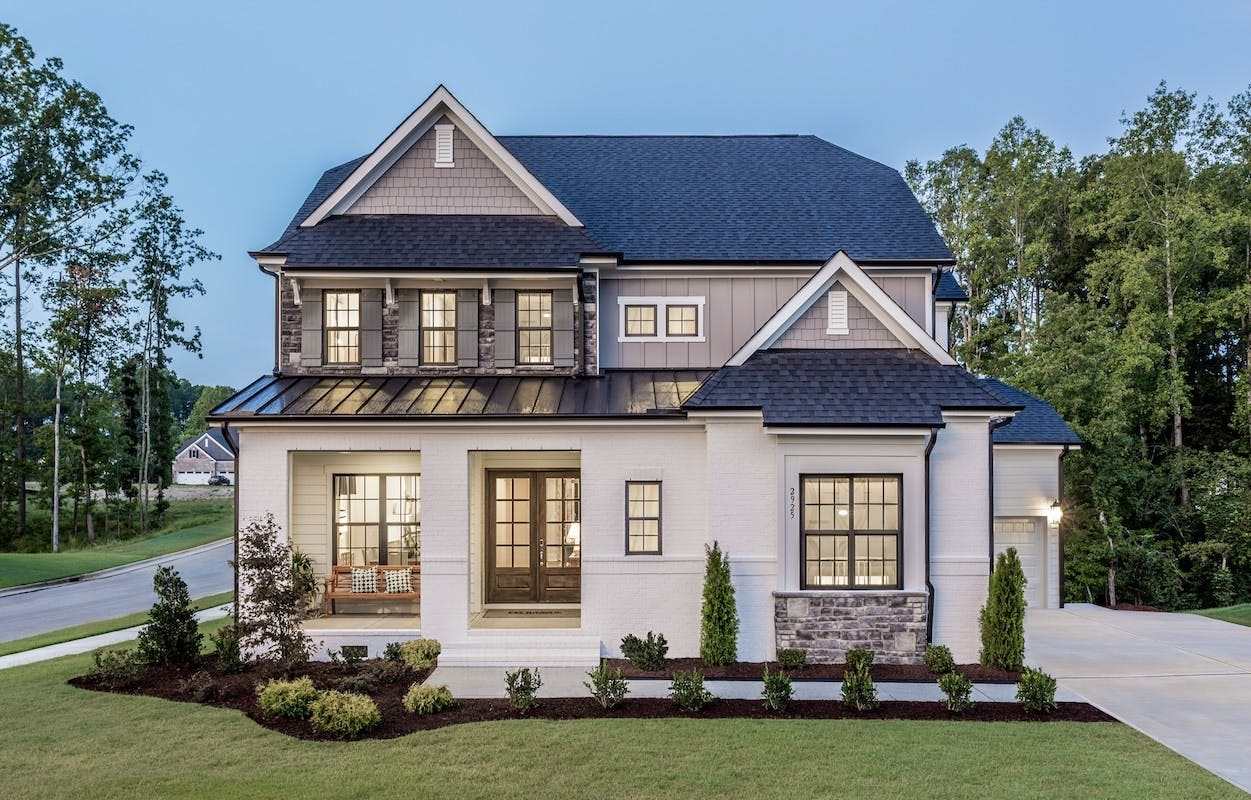 Buyers who take the time to research properly tend to find that there are still good properties available at realistic prices. A quick look at up-to-date property listings will tell you more about your local market than most of what you read in national coverage.
No listing found.